
Operating models
Security by sector.
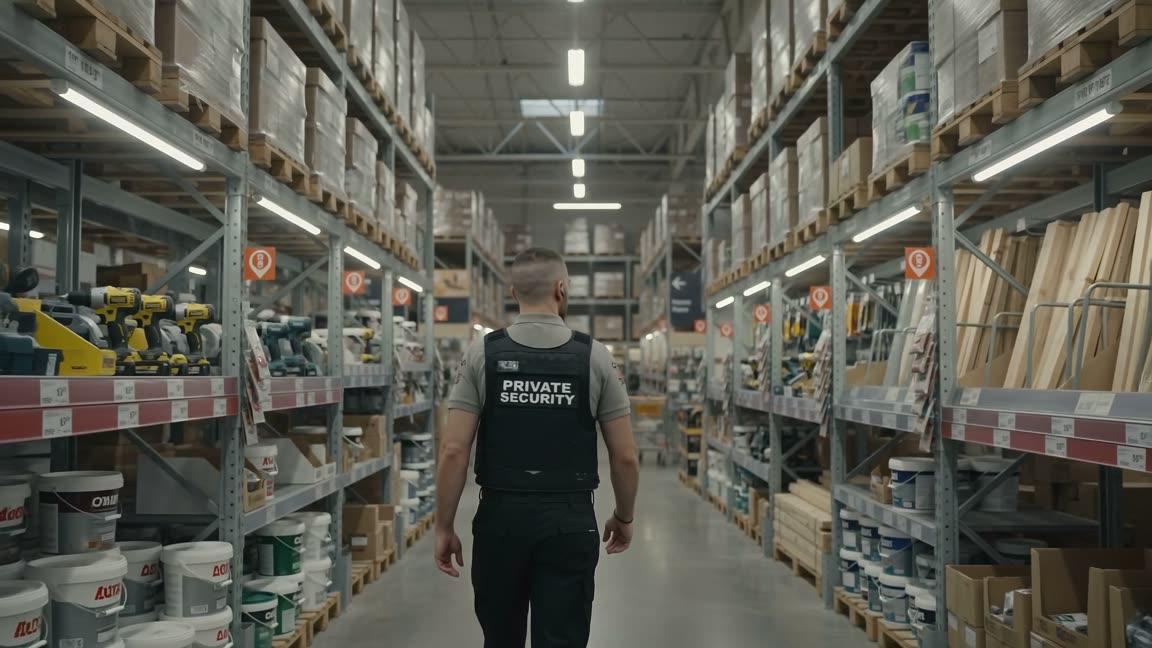
Physical security, shaped to each sector. Every environment carries its own risks. Seven operating models pair trained people with one connected platform — a single accountable standard across all of them.






07Tailored to you
Ready to secure your sites?
Let’s shape an operating model around your risk footprint — starting with one site.
Before you choose a security company
All guides- How to choose a security companyChoose a security company on three criteria, in this order: legal operation (operating licence, guards with work licences), supervision you can verify (who checks the guard and how you see it) and stable people with written reporting (who guards your site, who replaces them, what report you get).8 min read
- 20 questions to ask before you sign with a guarding companyBefore you sign with a guarding company, get written answers to 20 questions on six topics: legality, guards, supervision, incidents, reporting, and the contract, with price checked only as a reason to reject.7 min read
- Security company licence: how to check it is validAsk the company for its operating licence and check the date: under Greek Law 2518/1997 it is valid for five years, cannot be transferred, and is renewed only if the conditions still hold.5 min read
- How to read a security guarding quote, line by lineRead a guarding quote in the order it is written and check that every line answers one specific question: which company (legal name and operating-licence number), which posts and which hours (a day-by-day table that adds up to hours per week), which people (how many guards, holding a work licence of which category), who checks (supervision, reports, replacement time) and what is included (equipment, insurance, terms).8 min read
- Static guarding or patrols? How to chooseChoose static guarding where a person is needed at one point every minute — an entrance, reception, access control, high-value goods.6 min read
- How many guards do I need? Working out hours and shiftsMultiply the number of posts by the hours of cover per week and divide by 40, the hours of a full-time week: the result is your full-time equivalents.5 min read